

A document assistant with sources
Find answers in a small, approved document collection and show the passage that supports each answer.
Explore the project brief →Sailors Academy · Ludhiana
Choose a feasible topic, build and test your own work, and prepare a report and viva with project guidance in Ludhiana.
Discuss your next step ↗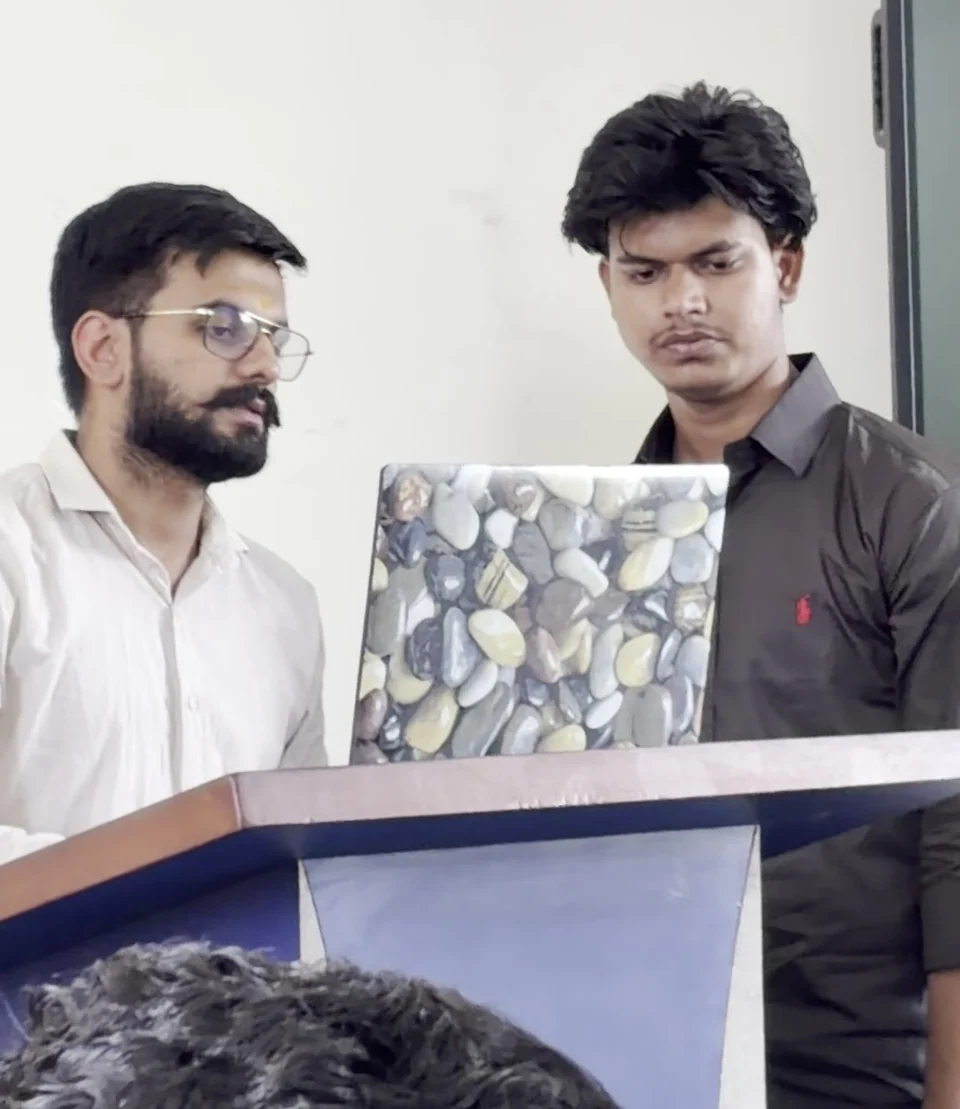
Final-year project mentorship helps BTech, BCA and MCA students choose a feasible problem, plan milestones, review implementation and prepare a report and demonstration. Your department remains responsible for topic approval and academic requirements.
Bring your current skills, a draft idea, your deadline and any report or assessment checklist. Programming, data, creative and automation projects need different foundations; complete a small readiness task before choosing an advanced scope.
Bring your starting skills, a project question and any college requirements. Agree useful practice, realistic milestones and the work you will demonstrate.
Discuss your next step →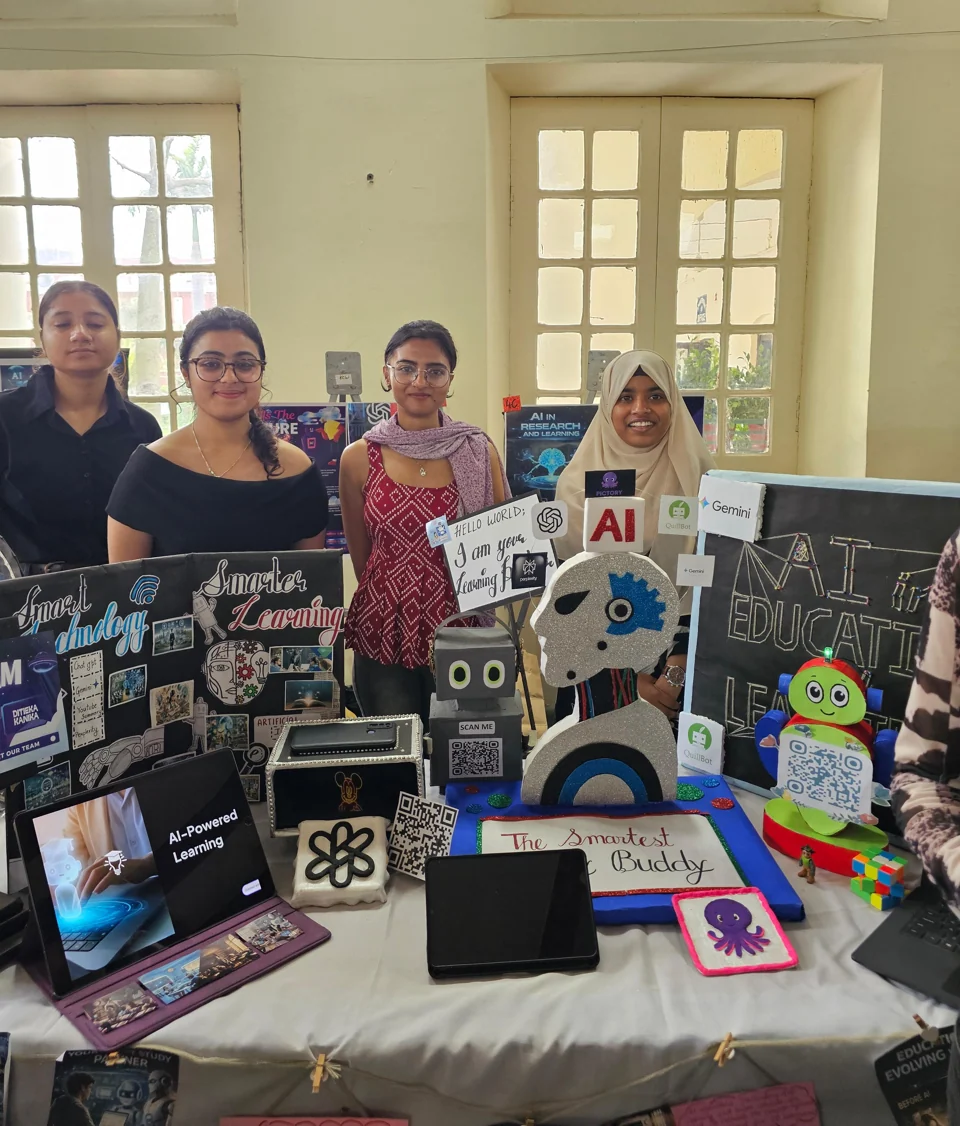
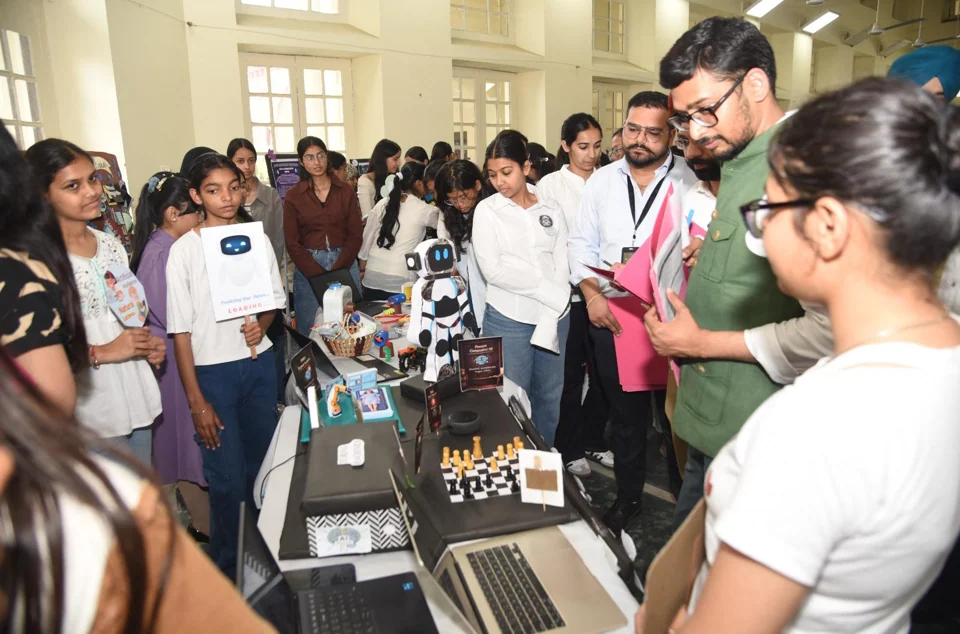
Agree the scope and review arrangements before enrolment. These are learning milestones, not a promise of marks or a fixed completion date.
Describe one user, one useful task and the boundaries. Review your department’s topic rules before committing to a technology.
Set a baseline, first working task, review point, test evidence and final demonstration. Match the scope to your actual time and starting skills.
Implement the project yourself. Keep meaningful source commits, design revisions or edit history and dated progress notes. Record mentor and AI assistance honestly.
Test successful tasks and failures. Reconcile calculations, check permissions or critique creative exports as appropriate; record what you fixed.
Explain the problem, approach, sources, your own contribution, evidence and limitations. Follow your department’s report and citation requirements.
Demonstrate the project, explain a design choice and make a small change. If you cannot explain an element, revisit it before submission.
These are original planning examples, not completed student or client case studies. Your actual topic and deliverables need department and mentor review.
Find answers in a small, approved document collection and show the passage that supports each answer.
Explore the project brief →
Let a test user register for an event or book a slot while a separate role manages availability.
Explore the project brief →
Help a hypothetical hosiery retailer understand sales and stock using a synthetic dataset.
Explore the project brief →
Sort synthetic enquiries into useful categories and prepare a suggested next action for human review.
Explore the project brief →You implement and explain your own work. Mentor feedback can help you find problems and understand alternatives; it is not a finished submission service. Do not fabricate attendance, progress logs, test outcomes or authorship.
Use material you own or have permission to reuse. Agree any shared code, collaboration, licence and portfolio permissions before work begins. Keep private data and credentials out of public repositories and screenshots.
Scope changes should be discussed early. Record the reason, new acceptance criteria and deadline impact. College approval, marks, a publication or a job are not guaranteed.
Share the actual submission date and your current progress before agreeing a review plan. A short deadline may require a smaller project or a foundation task first. A complete advanced application is not assumed to fit a short training format.
Useful answers
You build, test and explain the work. Mentorship supports scope, feedback, debugging discussions and review; it does not provide finished submissions to present as your own.
Your department decides. Share its topic rules, report format and deadlines before committing to a project. Academy mentorship does not guarantee college approval.
Discuss a change before implementing it. Agree the new deliverable, review criteria and deadline impact; a smaller complete task may be more useful than several unfinished features.
Use only material you have permission to share and explain your contribution accurately. Check college, collaborator and asset permissions, remove private information and agree any shared-code terms first.
Your next step
Share your starting skills and goal. Confirm the scope, current schedule and training terms before enrolling.
Sailors Academy offers fee-based training. An enquiry is a discussion request; it does not reserve a seat or guarantee admission, college approval or employment.
Call 86993-88823 →