
Practical IT training · Ludhiana

Programming & websites · Ludhiana

Java & Backend Project Training in Ludhiana

Learn Java fundamentals and build a backend project with database integration. Practise debugging, testing and documentation through a supervised application.

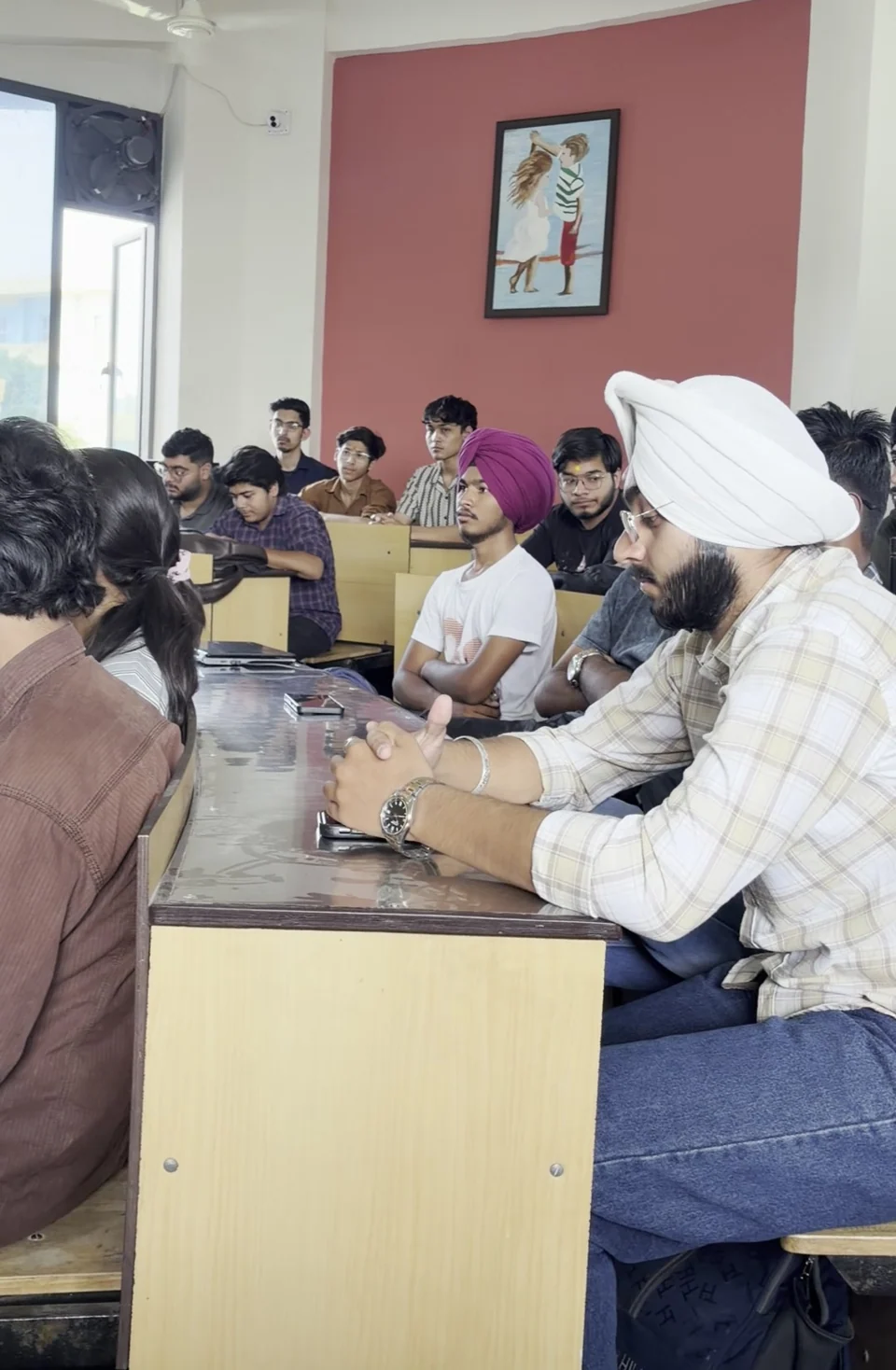
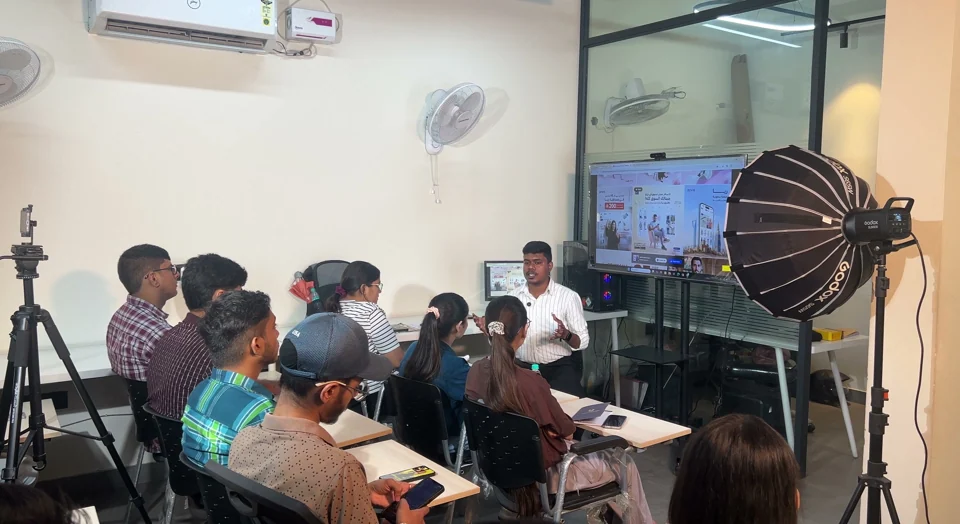
A practical classroom demonstration with learners at their desks

Tools you’ll learn to use

JavaVisual Studio CodePostgreSQLGitChatGPT / OpenAICursorGitHub CopilotClaudeMCPDockerChrome DevTools
Backend developmentSQLAPIs

Current skills · practical learning in Ludhiana

What’s new in the AI era?

Bring agent-assisted work into Java backend development with explicit tests and controlled integrations.

Reviewed See the full syllabus ↓
2026 industry perspective


ChatGPT / OpenAICursorGitHub Copilot

Jensen Huang on the shift to AI agents

AI agents can take on multi-step coding tasks. Huang’s 2026 keynote and NVIDIA’s engineering account connect that shift to day-to-day software work.

In this course

Use an assistant to propose a small Java utility, then explain its design and verify input handling with tests.

The classroom task focuses on code understanding, tests and reviewed changes.

Explore module 06
Sources & expert videos
Connected-tool lab
ClaudeMCP

MCP: give an assistant useful tools

MCP lets an assistant discover and call connected tools. A useful workflow needs clear inputs, permissions and a result you can check.

In this course

Design a typed backend tool with a clear API contract, timeouts and permission checks before exposing it to an assistant.

Start with a scoped test server and approved sample data.

Explore module 10
Sources & expert videos
November 2026 update
Visual Studio CodeGitHub CopilotChrome DevTools

Vibe coding with current web standards

Google’s Modern Web Guidance 1.0 helps coding agents use current HTML, CSS and browser capabilities, with compatibility checks.

In this course

Inspect the browser-facing part of the project for accessible forms, useful error states and compatible modern web behaviour.

Choose an available coding assistant and test against the agreed browsers.

Explore module 12
Sources & expert videos

These workflows connect to the modules below. We use approved sample projects and check the software, account access and costs before a lab.

At a glance

Is this your next learning step?

Choose the route for the work you want to practise. Your starting exercise helps set a realistic level and project scope.

Compare all courses →
Who it suits
Technical students pursuing Java/backend skills
Starting skills
Programming basics; a foundations bridge can precede the backend route
Tools & access
A supported Java environment, editor, Git and database. Agree the backend framework before enrolment.
Level & learning format
Beginner foundations through advanced, supervised project practice. Start at your assessed level and agree the modules and schedule for academy-based training in Ludhiana.
Mentor, schedule & intake
Confirm the assigned mentor, current availability, class days and contact hours with the academy before enrolment.

Your learning pathway

Beginner foundations. Advanced project skills.

See what you’ll learn at each level. Open a module for the topics and tools, then work towards a complete, scoped project.

Start with the essentials

Beginner syllabus

What you’ll build: Write object-oriented Java programs that process data and expose a small API.

  1. Java setup and language basics

    Supported JDK and IDE setup; values and control flow; compile, run and debug a program.

    Tools: Java · Visual Studio Code

  2. Methods and object-oriented design

    Classes and constructors; encapsulation and interfaces; reuse through composition.

    Tools: Java

  3. Collections and robust code

    Lists, maps and generics; exceptions and validation; readable algorithms and tests.

    Tools: Java

  4. Files and data processing

    Streams and file APIs; JSON concepts; date, time and predictable error handling.

    Tools: Java

  5. Databases and SQL

    Relational design and joins; JDBC and parameterised queries; transactions and connection handling.

    Tools: Java · PostgreSQL

  6. First Java application

    Implement a small records workflow; add tests and Git history; explain design decisions and setup. Current workflow: Jensen Huang on the shift to AI agents.

    Tools: Java · Git · ChatGPT / OpenAI · Cursor · GitHub Copilot

Build on your foundations

Advanced syllabus

What you’ll build: Build and deploy a tested Java backend with persistence, access control and reliable production configuration.

  1. Spring Boot and REST APIs

    Dependency injection and configuration; controllers and validation; consistent API responses.

    Tools: Java

  2. Persistence and application layers

    Entities and relationships; repositories and service boundaries; migrations and query performance.

    Tools: Java · PostgreSQL

  3. Security and permissions

    Authentication and role checks; input and dependency risks; test protected resources and ownership.

    Tools: Java

  4. Concurrency and integration

    Executors and asynchronous tasks; HTTP clients and external APIs; timeouts, retries and idempotency. Current workflow: MCP: give an assistant useful tools.

    Tools: Java · Claude · MCP

  5. Testing and deployment

    Unit and integration tests; Docker configuration and secrets; health checks, logs and release steps.

    Tools: Docker · Java · Git

  6. Backend project delivery

    Build a complete agreed API; verify business rules and permissions; deploy, document and demonstrate a requested enhancement. Current workflow: Vibe coding with current web standards.

    Tools: Java · PostgreSQL · Docker · Visual Studio Code · GitHub Copilot · Chrome DevTools

Beginner modules build the skills needed for the advanced route. Your starting exercise, training format and agreed project determine the modules covered. Paid tools, subscriptions and platform access are confirmed before enrolment.

A project you can explain

Build, run and explain your project

A library or appointment backend with documented endpoints

Choose the project features and milestones with your mentor to fit your starting level and training format.

From brief to demonstration

  1. Agree the problem, starting skills and a narrow scope.
  2. Use synthetic, licensed or explicitly approved source material.
  3. Build in stages and keep your working files and revision history.
  4. Check the result, document failures and improve the work.
  5. Explain your own contribution and demonstrate a change or revision.

What your review should cover

Java foundations; consistent data/API behaviour; authorization; meaningful tests; explainable implementation.

Bring your department’s requirements for college work. Your college approves the topic and documentation; mentorship does not guarantee acceptance.

Explore project mentorship →

Choose the right depth

Agree the timetable and scope before you enrol. Advanced modules depend on the starting skills you demonstrate.

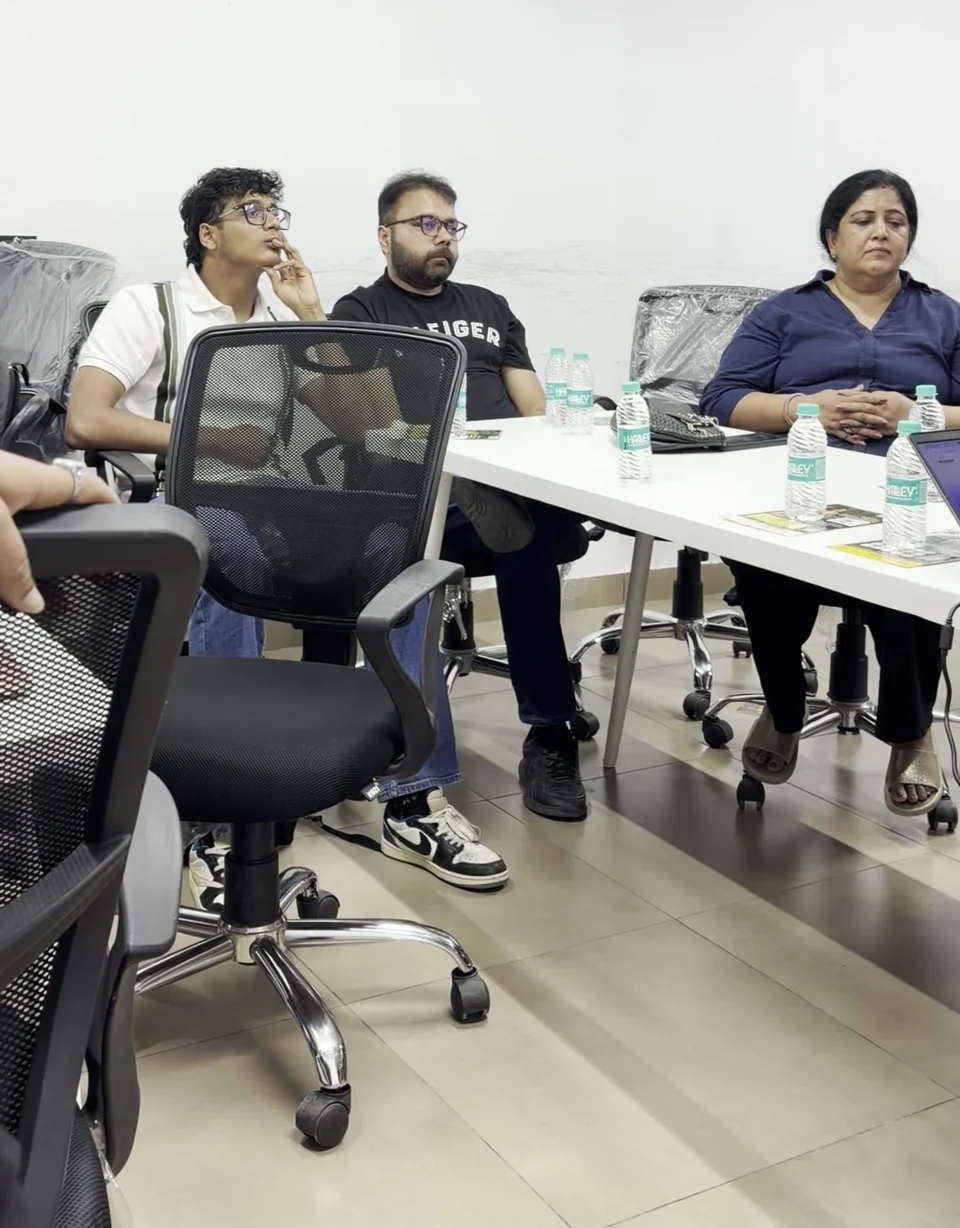
Participants following an academy workshop discussion

Foundation first

Begin with the starting exercise and core lessons. Practise one useful task at a time before combining the skills in a project.

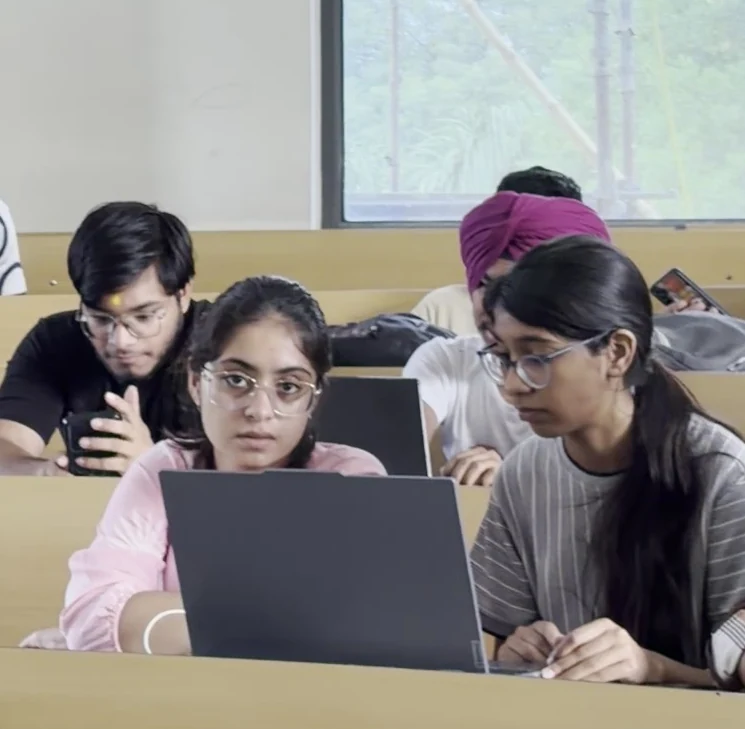
Practical learning with participants from the academy-supplied training collection

Short college training

For a 45-day or six-week requirement, choose a manageable subset and demonstration. Confirm class days and hours; six weeks is 42 calendar days.

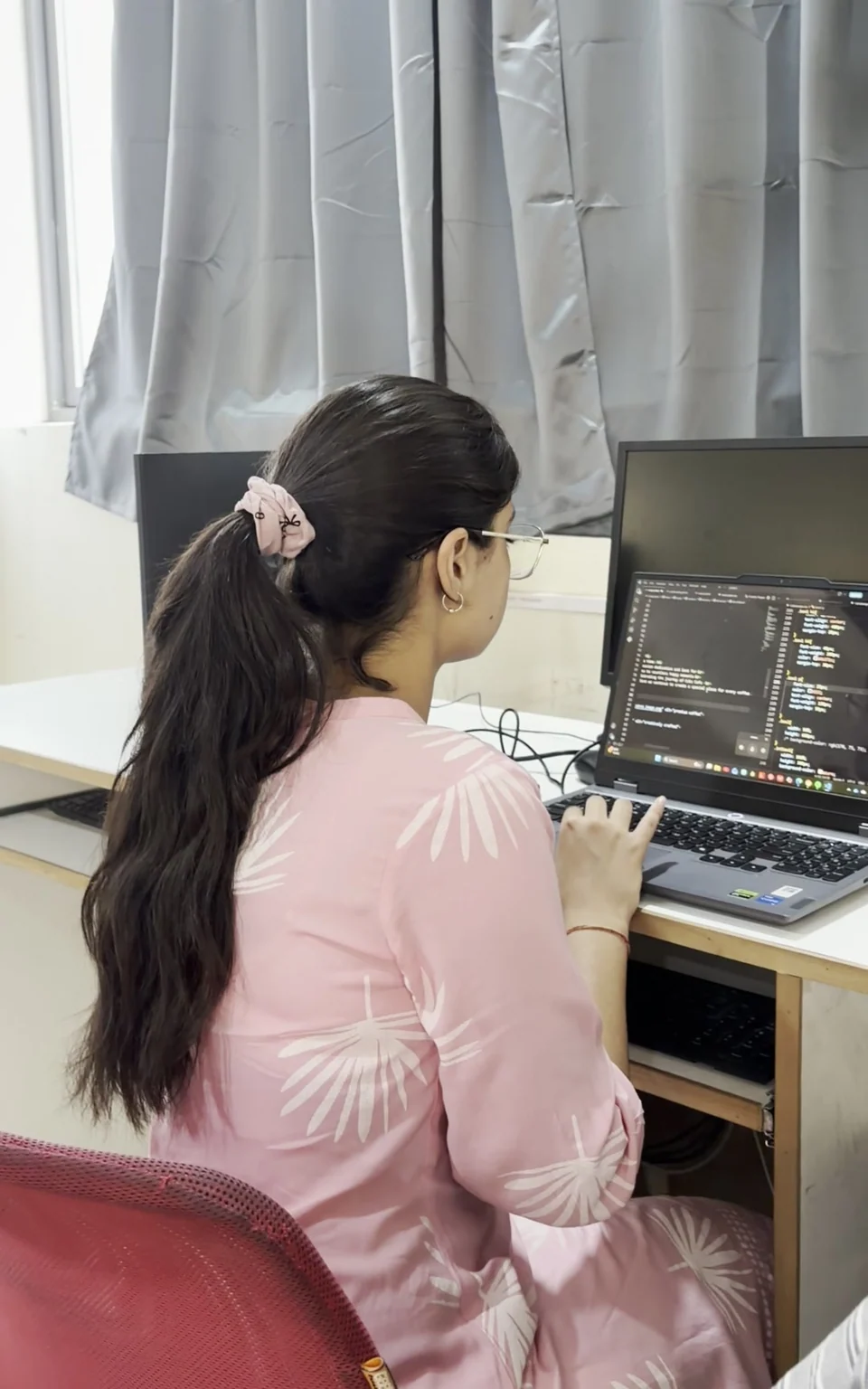
Practical learning with participants from the academy-supplied training collection

Extended project work

A longer agreed format can add independent scope, change requests, testing, documentation and mentor review.

Agree your modules, class days and project milestones with the academy. Bring any college documentation requirements.

Discuss college training requirements →

Before you enrol

Your course questions

Ask about your requirements →
Which backend framework is included?

Discuss the framework, database and development setup with the mentor before enrolment. The foundation work covers Java, data, APIs and testing; no particular framework is assumed here.

Is Java the same as JavaScript?

Java and JavaScript are different languages. Compare Java backend training with the React and Node.js full-stack route based on the work you want to build.

Will this include interview preparation?

The project includes explaining and modifying your code. Ask separately about any interview sessions; training does not guarantee a job or placement.

Can I start Java as a beginner in Ludhiana?

The pathway starts with learn java programming. You practise jDK/IDE setup, types, operators, conditions, loops, methods and debugger use. Your starting exercise identifies any computer, programming or subject foundations to complete before advanced modules.

What project can I build during Java training?

Project direction: A library or appointment backend with documented endpoints The extended project stage covers: Run a booking or inventory service, demonstrate changes and hand over configuration notes. Agree the features, training schedule and demonstration environment with your mentor; a short college format covers a suitable subset.

Your next step

Discuss this learning path

Share your starting skills, goal and college requirements. Ask about the mentor, actual schedule, tools and training terms before enrolling.

Training is fee-based. This enquiry does not reserve a seat or confirm a job, stipend or college approval.

Call 86993-88823 →

Sends your enquiry to Sailors Academy. The team will contact you on the number you share. This does not confirm an admission or appointment.

WhatsApp